
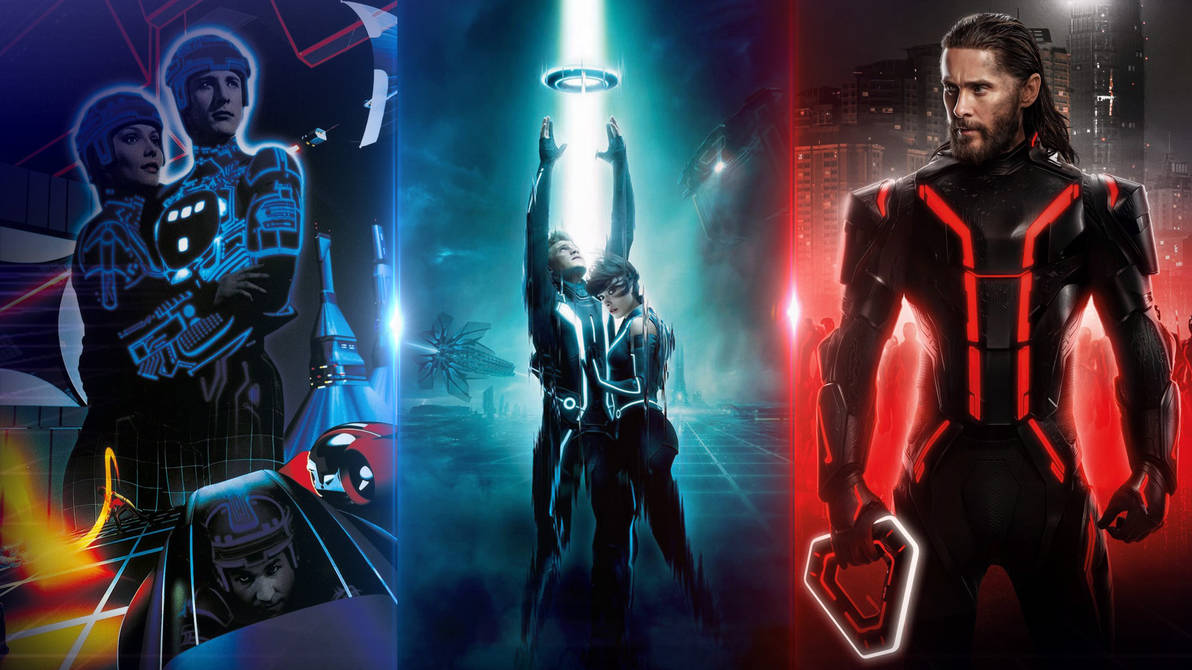
[SIGNAL_SCAN] // Tron: Ares Soundtrack – How Nine Inch Nails Revolutionized the Grid in 2026

The digital frontier has shifted once again. With the official release of the Tron: Ares soundtrack, Trent Reznor and Atticus Ross have done more than just compose a film score—they have hard-coded the visceral, mechanical DNA of Nine Inch Nails into the very fabric of the Grid.
As an industrial producer operating under the Cyber Druid uplink, I’ve spent the last few weeks dissecting these frequencies. In 2026, the sound of the future isn’t clean or symphonic; it’s corrosive, unstable, and hauntingly human. While Daft Punk gave us a polished, neon utopia in 2010, Reznor and Ross have delivered something far more primal for the world of Ares.
Mechanical Agony: The Tron Ares Soundtrack Nine Inch Nails Aesthetic
Reznor has always thrived in the negative space between notes, and his work on the Tron: Ares soundtrack is no exception. We aren’t hearing the heroic orchestral swells of the past. Instead, we are treated to the signature NIN-style distortion and modular synthesis pushed to the point of failure.
The score feels like a direct sonic evolution of the Ghosts or The Fragile eras. It utilizes resonant filter sweeps and bit-crushed noise floors that perfectly mirror the dystopian narrative of 2026. This isn’t just background music; it’s a sonic assault that redefines the Industrial Cyberpunk aesthetic for a new generation of listeners who crave grit over glamour.
The Architecture of Noise: Granular Synthesis and Bit-Crushing
What sets the Ares score apart from its predecessor is the sheer focus on granular synthesis. Reznor and Ross seem to have moved away from the clean, sawtooth-driven leads of the legacy era, opting instead for organic, decaying textures. By sampling analog hardware and then obliterating the signal through high-end bit-crushers, they’ve created a sound that feels both ancient and futuristic.
From a producer’s perspective, the use of “imperfection” is the real highlight here. Every bass growl feels like it’s fighting against a failing power grid. This aesthetic of “controlled chaos” is exactly what defines Industrial music in 2026. It’s not about the notes you play; it’s about how the signal breaks when it hits the limit.
The 2026 Remix Album: A Collaborative Evolution
The release of the accompanying remix album has already become a milestone for the underground scene. By opening up the Tron Ares Soundtrack Nine Inch Nails stems to the community, the project has birthed a darker, club-ready iteration of the Grid.
Artists like Gesaffelstein and various heavyweights from the EBM scene have taken these minimalist drones and injected them with high-BPM energy. These remixes don’t just add a 4/4 kick drum; they re-contextualize Reznors’ darkness for the warehouse raves of 2026. It proves that the Ares sound isn’t a closed circuit—it’s a playground for sound designers who aren’t afraid to get their hands dirty with raw data.
From Influence to Creation: “Future is Only a Moment Away”
Immersing myself in this new wave of industrial nihilism heavily influenced my own recent production sessions. Reznor’s work on Ares is a constant reminder that in a world of perfect, AI-generated loops, the “error” is where the soul lives.
My latest track, “Future is Only a Moment Away,” was born from this exact philosophy. It is an exploration of the razor-thin line between digital coldness and emotional warmth. While the Tron Ares Soundtrack Nine Inch Nails release captures the vastness of the machine, my goal was to capture the heartbeat of the individual trapped inside that mainframe.
In this piece, I’ve cross-bred the raw energy of NIN-inspired industrial grit with an expansive, atmospheric melancholy. It’s a sonic snapshot—an attempt to hold time still within the Grid for just one heartbeat. If the future is truly only a moment away, what does the “now” actually sound like?
Listen to “Future is Only a Moment Away” by Cyber Druid below:
Technical Specs: The Gear Behind the Grit
To achieve the atmospheric depth of “Future is Only a Moment Away,” I utilized a chain of analog hardware and aggressive bit-reduction, much like the techniques analyzed in the Ares sessions. If you’re looking for that signature NIN-style saturation, I recommend experimenting with feedback loops—a technique I’ll be diving deeper into in one of my upcoming posts.
Final Thoughts: The Grid has Evolved
Ultimately, the Tron Ares Soundtrack Nine Inch Nails release is more than a movie score – it’s a toolkit for the future of Industrial music. Trent Reznor and Atticus Ross have successfully stripped away the nostalgia, leaving us with a raw core of pure sound design.
Does Reznor’s darker direction surpass Daft Punk’s legacy? Let’s debate in the comments.